


 Apple Podcasts
 Spotify
 RSS Feed
 Did Columbus Really Discover America? The Taíno Story and the Fight for Florida’s Sacred Places (with Robert Rosa)
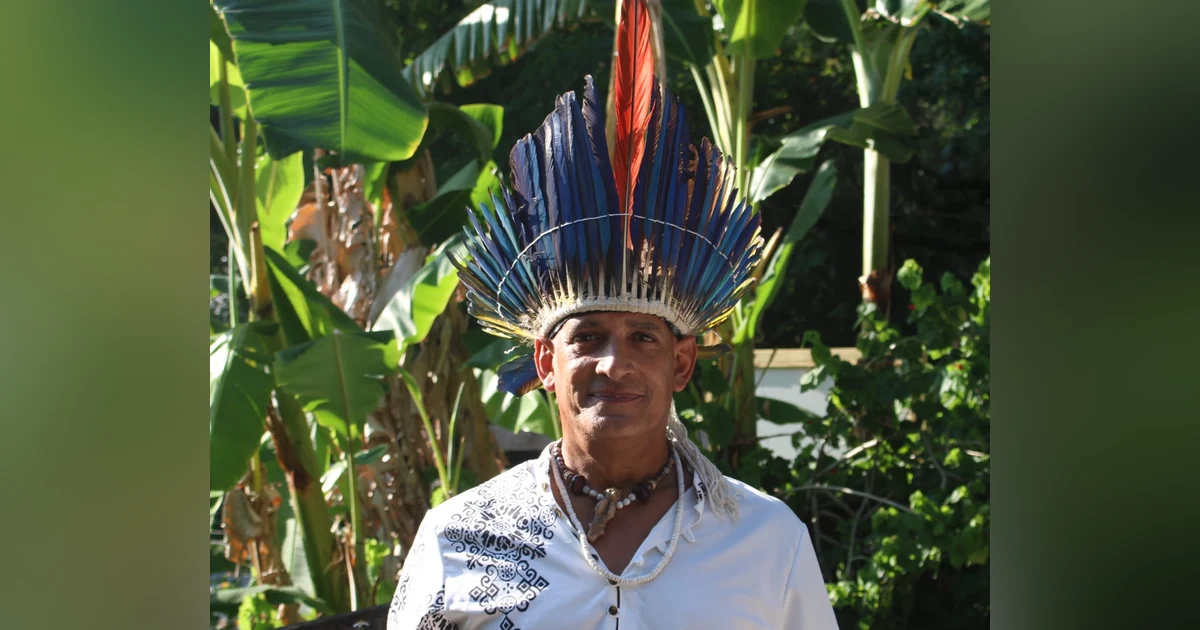
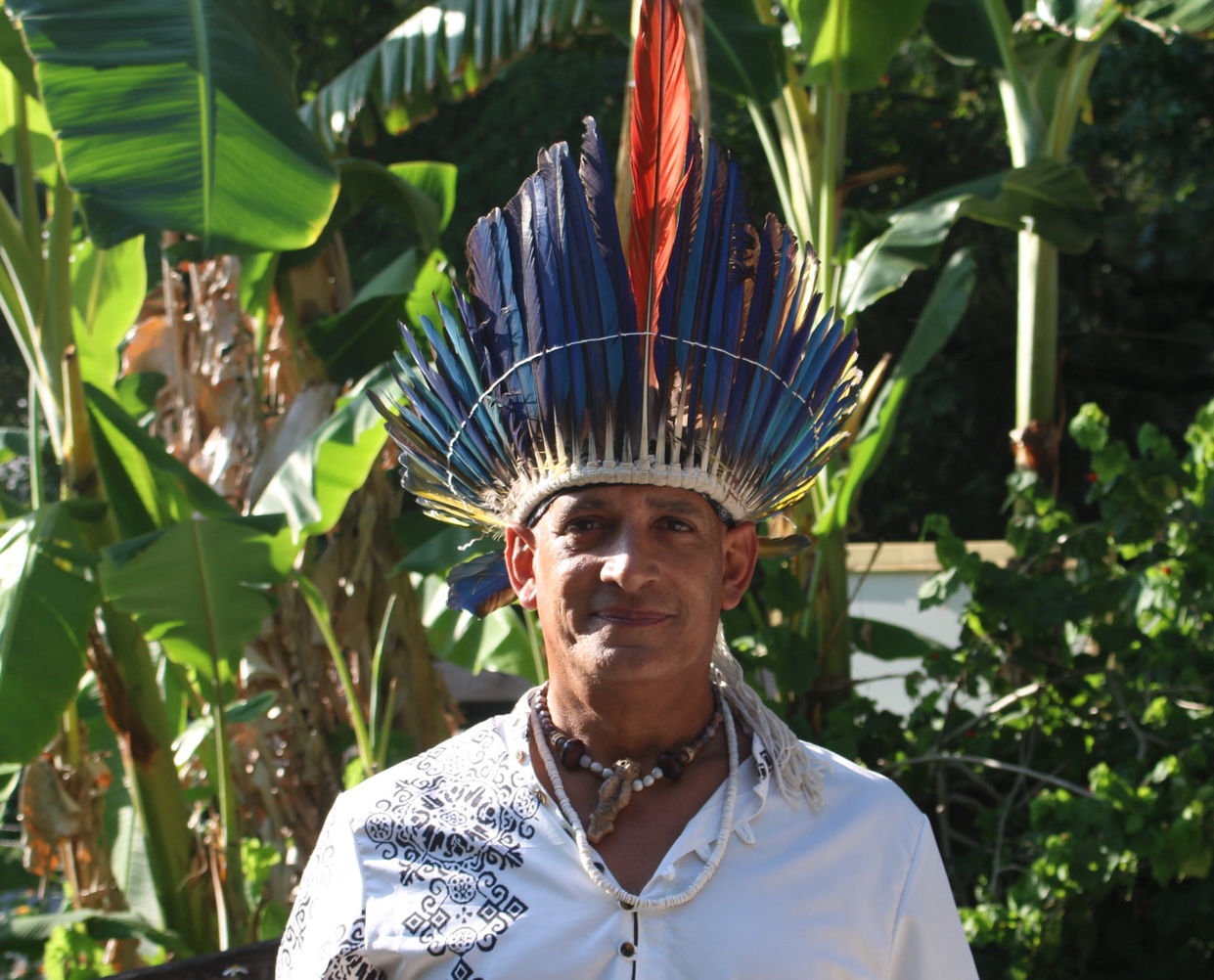
What does it mean to “discover” a place where people have lived for thousands of years? And who is protecting the sacred places and waters that are still here today?
Robert Rosa is a Taíno leader and a member of the American Indian Movement who has spent years protecting Native burial sites and wild places across Florida. On this Indigenous Peoples’ Day, he takes us back to where the Taíno story begins: who they were, how they lived, how they traded all the way to Florida, and why so many words we use every day came from them.
Then Robert explains why calling 1492 a “discovery” is so offensive, and corrects a myth about the Taíno that has been told for hundreds of years. Finally, we come home to Florida. Robert talks about his work using federal law to help the Seminole and Miccosukee protect burial sites from developers, and why Shingle Creek, the headwaters of the Everglades, matters for every person who drinks Florida’s water.
This episode is for students, teachers, and anyone who wants the real story behind Columbus Day, and practical ways to protect the land where they live.
The history behind the holiday
Columbus’s arrival in 1492 began one of the largest losses of human life in history. Through violence, forced labor in mines and fields, and new diseases, the Native population of the Caribbean fell by about 90 percent within a few generations. Spanish priest Bartolomé de las Casas, whom Robert mentions in this episode, wrote eyewitness accounts of the cruelty he saw. Still, the Taíno were never fully erased. As Robert shares, Taíno women carried the language, stories, and identity forward, and their descendants live on today in Puerto Rico, Cuba, the Dominican Republic, and across the diaspora.
What You’ll Discover:
- Where the Taíno came from, and the other Caribbean peoples who lived alongside them
- Why Taíno society was matriarchal, and how women kept the culture alive
How the Taíno traded with Florida, using ocean currents historians said they couldn’t navigate - Why the Taíno settled disputes with a ball game before going to war
Taíno words you already use: hurricane, canoe, manatee, hammock, and more - Why “you can’t discover something that’s been there for thousands of years”
- The myth that the Taíno thought the Spanish were gods, and what really happened
- How Robert uses NAGPRA to help Florida tribes protect burial sites and sacred objects
- Why building on Shingle Creek’s wetlands affects floods, sinkholes, springs, and drinking water
- How you can get involved, even if you’re not Native
Chapters:
0:00 Introduction
1:18 Where the Taíno came from
3:59 Daily life in a Taíno village
8:35 Taíno words we use every day
11:21 What “discovery” looked like from the beach
13:55 The biggest myth about the Taíno
15:12 Protecting sacred sites in Florida
17:47 Shingle Creek and the headwaters of the Everglades
22:04 Robert’s advice: how to get involved
Resources:
Protect Florida’s land and water
Protect Shingle Creek: [https://protectshinglecreek.com/
Friends of Split Oak Forest (Save Split Oak): https://friendsofsplitoak.org
Friends of the Everglades, founded by Marjory Stoneman Douglas: https://www.everglades.org
Florida Springs Council, a statewide coalition of springs groups: https://www.floridaspringscouncil.org
Florida Springs Institute and their Springs 101 guide: https://floridasprings.org
Learn about sacred sites and Native rights
What is NAGPRA? The 1990 federal law that protects Native burials, funerary objects, and sacred items (National Park Service): https://www.nps.gov/subjects/archeology/napgra.htm
Taíno: Native Heritage and Identity in the Caribbean (Smithsonian): https://www.smithsonianmag.com/smithsonian-institution/culture-once-believed-extinct-flourishing-180970101
For teachers
Native Knowledge 360°, free lessons from the Smithsonian’s National Museum of the American Indian: https://americanindian.si.edu/nk360
The Taíno People of Boriken, a free classroom reading (Teaching for Change): https://www.teachingforchange.org/wp-content/uploads/2018/10/Taino-Lesson-Reading1-2.pdf
Young Friends of the Everglades and their Educators Exploration Kit: https://www.everglades.org
This podcast was reviewed by Common Sense Media: https://www.commonsensemedia.org/podcast-reviews/indigenous-earth-community-podcast
Classroom discussion questions:
- Robert says you can’t discover something that’s been there for thousands of years. What word would you use instead?
- Which Taíno words did you already know? Why do you think they survived?
- Why do you think the Taíno story was left out of so many history books?
- Where does the rain at your school go? Trace it as far as you can.
A note for teachers and parents: this episode discusses colonization and genocide in age appropriate terms, suitable for middle school and up.
📚 Support This Podcast & Indigenous Youth Workshops: When you purchase books through our Indigenous Earth Bookshop, you directly support independent Indigenous booksellers AND fund our hands on workshops for Native youth worldwide. Every book purchase helps preserve traditional ecological knowledge for the next generation. 🌱
Connect with Indigenous Earth:
Newsletter: https://www.indigenousearth.org/newsletter/
Topics: Taíno, Indigenous Peoples’ Day, Columbus Day, Columbus myth, Caribbean history, Boriken, Puerto Rico, Taíno words, NAGPRA, sacred sites, Tequesta, Seminole, Miccosukee, Shingle Creek, Everglades, Split Oak Forest, Florida springs, Floridan aquifer, wetlands, teaching resources, Native American Heritage Month

